

The Difference Between Being Introverted And Emotionally Wounded
Personality or self-protection?


Many people assume that being quiet, reserved, or withdrawn automatically means someone is an introvert. And sometimes that’s true. But sometimes what looks like introversion is actually something else entirely.
It can be difficult to tell the difference because introversion and emotional wounds can share similar behaviors on the surface. Both can involve spending time alone, avoiding people, keeping thoughts private, and being selective about relationships.
Yet beneath those behaviors, the reasons can be very different.
Understanding this distinction can be incredibly important because one is a personality trait, while the other may be a protective response developed through difficult life experiences. What looks the same on the outside can feel completely different on the inside.
Introversion Is About Energy
At its core, introversion is about how a person gains and restores their energy.
Introverts tend to feel refreshed by spending time alone or in calm, relaxing environments. Solitude feels peaceful rather than lonely. After socializing, they may need time to recharge before feeling ready to engage again.
There is usually no fear attached to this. An introvert may genuinely enjoy people, relationships, and meaningful conversations. They just prefer a balance between socializing and solitude. They are not avoiding connection. They are managing their energy in a way that feels natural to them.
Being alone feels nourishing. It feels like coming home to themselves.
An introvert may spend an enjoyable afternoon with friends, come home feeling happy, and then spend the evening reading a book or relaxing in silence. Their need for alone time has nothing to do with disliking the people they were with. It’s simply how they restore their energy.
Emotional Wounds Are About Protection
Emotional wounds are different.
When someone has experienced rejection, criticism, betrayal, neglect, or abandonment, they may develop ways to protect themselves from future pain.
Over time, they might withdraw from others. They may stop sharing their feelings. They may avoid vulnerability. They may convince themselves they don’t need anyone at all. From the outside, this can look very similar to introversion. But the motivation is different. The person is not seeking solitude because it restores them. They are seeking distance because it feels safer.
Perhaps they were judged every time they spoke up. Maybe they trusted someone who betrayed them. Maybe they spent years feeling unseen, dismissed, or misunderstood. After enough painful experiences, pulling away feels easier than opening up.
One Feels Peaceful, The Other Feels Fearful
One of the clearest differences is how solitude feels.
For a healthy introvert, time alone usually brings comfort, clarity, and a deep sense of calm. It creates space to think, reflect, create, and reconnect with themselves. For someone who is emotionally wounded, being alone may feel protective, but it can also carry sadness, loneliness, anxiety, or a fear of being hurt again. The isolation becomes a shield rather than a source of restoration.
An introvert typically chooses solitude because they enjoy it. Someone who is emotionally wounded may choose solitude because they no longer feel safe taking emotional risks with other people. The behavior may look identical, but the emotional experience underneath is very different.
Introverts Still Desire Connection
A common myth is that introverts do not need people.
The truth is that introverts value meaningful relationships just as much as anyone else. They may prefer a few close friendships over a large social circle, but connection still matters to them. In many cases, they would rather have one deep conversation than spend hours engaging in surface-level small talk.
Someone who is emotionally wounded, however, may struggle to trust others enough to form those connections. They may want closeness while simultaneously pushing people away. Part of them longs to be seen. Another part is afraid of what might happen if they are.
You may hear them say things like, “I’m better off alone,” while secretly wishing someone would understand them. Their desire for connection is still there, but fear keeps getting in the way.
Emotional Wounds Can Change How You Show Up
Life experiences shape all of us.
A naturally outgoing person can become guarded after heartbreak. A trusting person can become cautious after betrayal. A confident person can become quiet after years of criticism. Someone who once shared their feelings openly may begin keeping everything inside after being repeatedly dismissed.
This is why it’s important not to assume that every reserved behavior is a personality trait. Sometimes it’s a sign that someone has learned to protect themselves in order to survive emotionally difficult circumstances. The quietness may not be who they truly are. It may be armor they learned to wear to stay safe.
You Can Be Both
Perhaps the most important thing to understand is that these two things are not mutually exclusive. A person can be an introvert and carry emotional wounds. In fact, many introverted empaths know this experience well. They naturally need solitude to recharge, but they may also carry past hurts that make trusting others more difficult. This can create confusion because they may not always know whether they are pulling away to restore their energy or to protect themselves from potential pain.
The challenge is learning which part of you is asking for space. Is it your personality needing rest? Or is it a wound trying to avoid pain? The answer may be different depending on the situation.
The Goal Is Not To Become More Outgoing
Many people spend years trying to force themselves to be more social because they believe something is wrong with their quiet nature. But there is nothing wrong with being introverted. And the goal is not to become someone else. It’s to make sure your desire for solitude comes from self-awareness rather than fear. It’s about understanding yourself well enough to recognize when you need genuine rest and when you may be hiding from connection because of old wounds.
Healthy introversion creates peace. Emotional wounds create walls. One helps you reconnect with yourself. The other can keep you disconnected from others. Understanding the difference can be the beginning of a deeper relationship with yourself and a gentler understanding of the reasons behind your behavior.
Today, ask yourself:
When you pull away from others, are you honoring your need for peace, or are you protecting a part of yourself that is still afraid of being hurt?
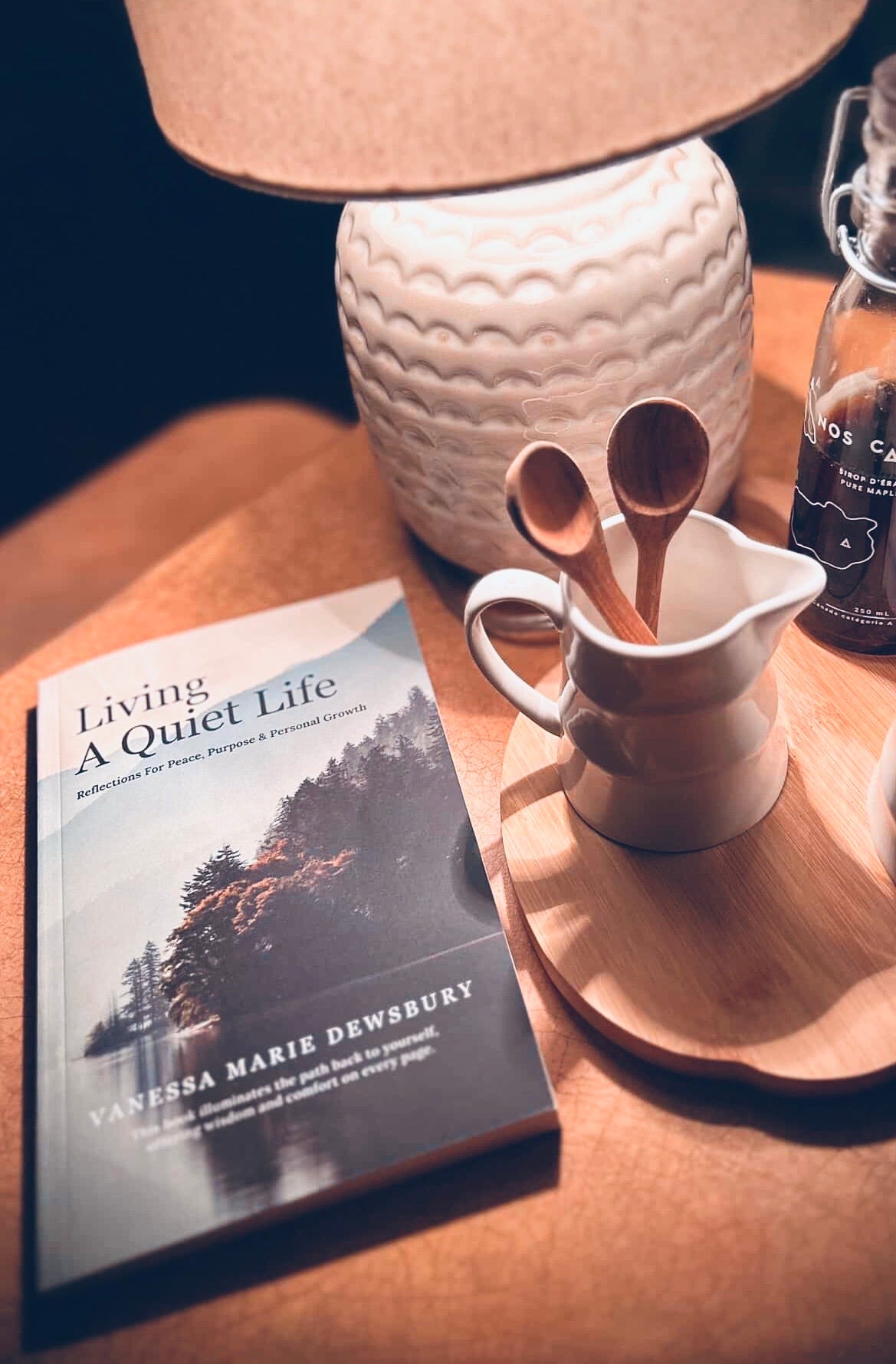
Living A Quiet Life: Reflections For Peace, Purpose & Personal Growth
I loved your article. Answering the final question, I think in my case it is a combination of the two. Peace returns us to a safe place and perhaps it is natural to want to protect it, precisely to avoid pain.
I think I'm a combination of both because I don't really fit in the emotionally wounded category completely despite the fact that I was emotionally wounded. I do like being alone but I don't dislike being around people either. I do have anxiety and I don't have any sadness right but I still have anxiety from all of my past I had major depressive disorder for several decades.